
Spotlight · Nanoscience
Pablo Jarillo-Herrero Honored for Foundational Work in Twistronics
Published November 07, 2026
2026 Kavli Prize in Nanoscience Recognizes Breakthroughs in Magic-Angle Graphene
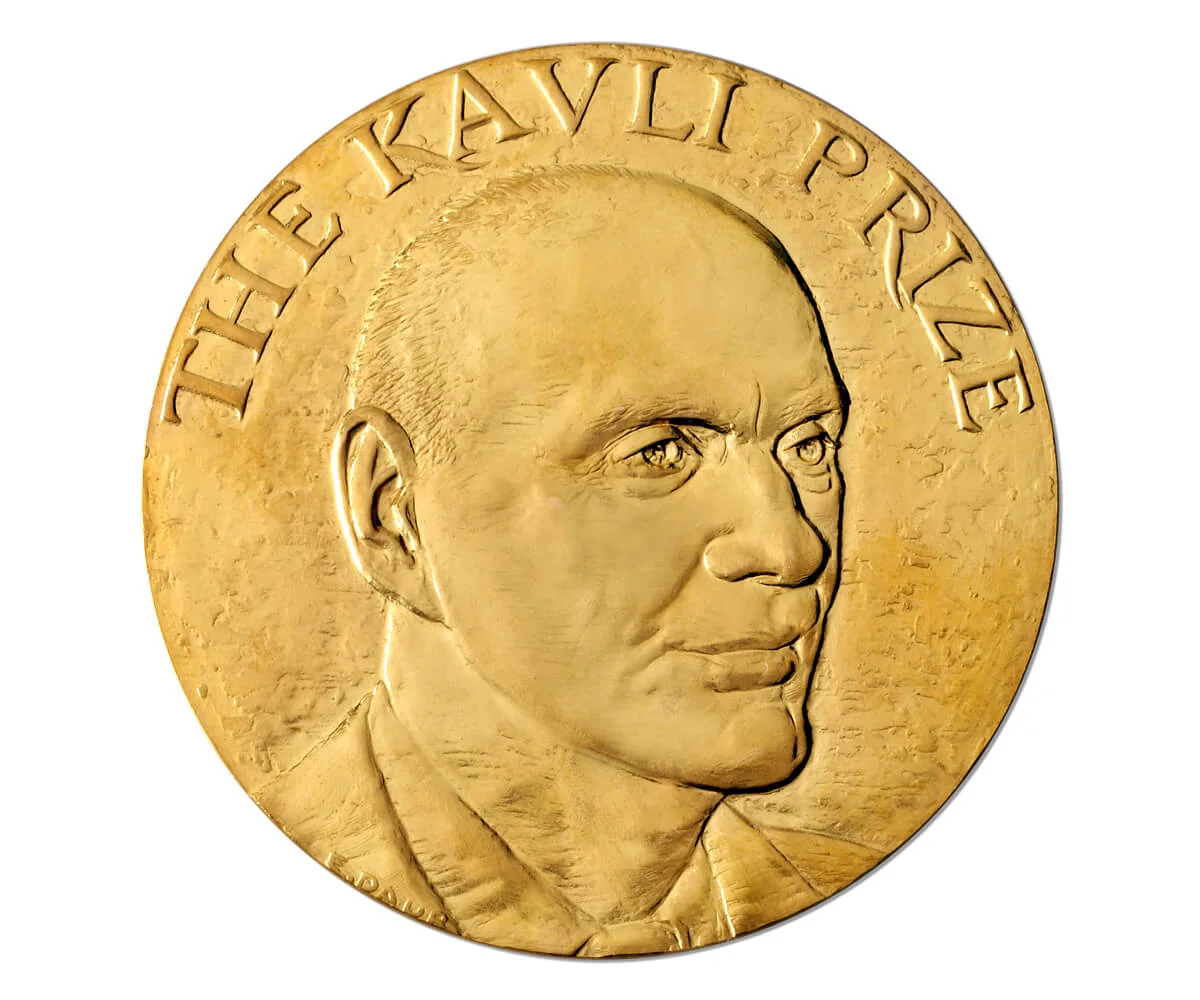
The 2026 Kavli Prize in Nanoscience was awarded to Pablo Jarillo-Herrero, Eva Y. Andrei, and Allan H. MacDonald for their foundational contributions to the emerging field of Twistronics, which explores how twisting layers of graphene can dramatically alter material properties.
The Magic Angle Breakthrough
The concept of Twistronics involves stacking atomically thin layers of graphene and rotating them relative to each other. At a specific 'magic angle' of 1.1°, the electronic structure changes profoundly, enabling phenomena such as superconductivity. Allan H. MacDonald provided the theoretical framework identifying this angle as the key to enhanced electron interactions.
Experimental Advances by Jarillo-Herrero
Building on this theory, Pablo Jarillo-Herrero conducted experiments controlling the twist angle and temperature of graphene bilayers. In 2018, his team published two papers in Nature demonstrating that at 1.7 Kelvin, the twisted bilayer graphene exhibited zero electrical resistance, confirming strong electron-electron interactions and superconductivity.
Implications for Future Technologies
This discovery of tunable electronic properties through simple geometric manipulation heralds a new era in materials science. Twistronics offers a versatile platform for exploring quantum materials and could lead to advances in electronics and optoelectronics without changing material composition.
Sources
This is an independent IQMIA editorial feature, not an endorsement or statement by the people mentioned.